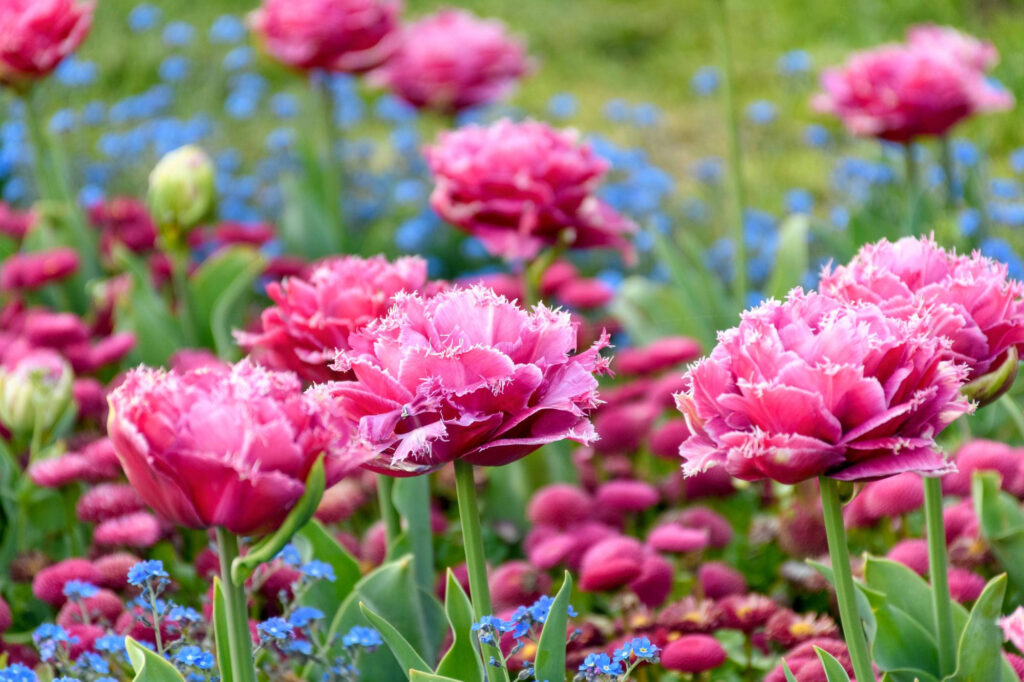
Carnation Meaning & Symbolism
Carnations symbolize love, admiration, gratitude, and remembrance
Carnation meaning depends on color, but overall it represents love, admiration, gratitude, and remembrance. Choose red for deep love, pink for a mother’s love, white for purity and new beginnings, yellow for disappointment, and striped for regret or refusal—making carnations a versatile flower for gifting, weddings, and sympathy.
Carnations are loved worldwide for their ruffled petals, rich colors, and long vase life. Beyond their beauty, they carry clear meanings—making them a popular choice for bouquets, celebrations, and heartfelt moments.
Introduction to Carnations
Carnations (Dianthus caryophyllus) are classic flowers known for their frilled petals and wide color range. Originally from the Mediterranean region, they became popular worldwide because they’re versatile, photogenic, and long-lasting in arrangements.
Symbolic Meanings of Carnations
General Symbolism
In general, carnations symbolize love, fascination, admiration, and distinction. They’re also widely used to express gratitude and remembrance, which is why they work well for both happy celebrations and meaningful tributes.

Color-Based Symbolism
Red carnations: deep love and admiration. Dark red leans toward intense affection; light red feels more like admiration and warm adoration.
Pink carnations: often linked to a mother’s love, along with gratitude and appreciation—especially popular for Mother’s Day.
White carnations: purity, good luck, loyalty, and sincere intentions. Common in weddings and ceremonies, and also used to honor someone with respect.
Yellow carnations: traditionally associated with disappointment or rejection (even though the color looks cheerful).
Purple carnations: capriciousness, unpredictability, or a whimsical dynamic.
Striped carnations: regret, refusal, or “I can’t be with you”—often used to convey apology or sorrow.
Spiritual Meaning of Carnations
In many traditions, carnations are connected to protective love and emotional comfort. In Christian stories, carnations are believed to have bloomed from the Virgin Mary’s tears, symbolizing a mother’s enduring love. In spiritual practice, carnations are also used to invite strength, calm energy, and protection from negativity.

Historical and Cultural Significance
Origins and History
Carnations have been cultivated for over 2,000 years and were prized in ancient Greece and Rome. The name “carnation” is often linked to Latin roots connected to ceremonial garlands and crowns, reflecting how frequently they were used in celebrations.
Cultural Significance
Carnations show up in many cultures:
- Korea: worn on Parents’ Day to show respect and love for parents
- Spain: used in religious festivals and ceremonies, often tied to devotion and passion
Carnations in Celebrations
Weddings
Carnations are popular in wedding bouquets and décor because they symbolize love and commitment, and they hold up well throughout long events. White carnations are especially favored for purity and new beginnings.
Mother’s Day
Pink carnations are the traditional Mother’s Day flower, widely used to express gratitude and appreciation.
Funerals and Remembrance
Carnations are common in sympathy arrangements because they convey honor, remembrance, and peace. White carnations are often chosen for their association with purity and loyalty.

Care and Maintenance of Carnations (Vase + Garden)
Planting Carnations
Carnations do best in well-drained soil and full sun. Plant in spring after the last frost, and leave enough spacing for airflow and healthy blooms.
Caring for Carnations
Keep soil moist but not soggy—they’re sensitive to root rot. Use a balanced fertilizer occasionally, and deadhead spent blooms to encourage fresh growth.
Pests and Diseases
Watch for aphids and spider mites. Good airflow and avoiding overhead watering helps prevent fungal issues.
Conclusion
Carnations are cherished not only for their beauty, but for how clearly they communicate emotion—love, appreciation, and remembrance. Whether you’re celebrating a new beginning or honoring someone special, carnations offer a timeless, meaningful choice.
UrbanFlowers Bangkok: You can order carnation bouquets with delivery within 3 hours. Shop Here


