The Ultimate Guide to Edible Flowers
Learn which flowers are safe to eat, their benefits, tastiest picks, and how to grow them.
Edible flowers can add color, aroma, and gentle flavor to food, but safety comes first. Choose flowers sold as food-grade edible, start with well-known options like nasturtium, pansy, violet, rose, calendula, and avoid toxic varieties such as foxglove, oleander, and hydrangea. If you’re unsure about identification or pesticide exposure, don’t eat it.
Edible flowers aren’t just a new trend—they’ve been used in cooking for centuries, adding color, flavor, and nutrients to a variety of dishes. From decorating cakes to enhancing cocktails, edible flowers offer a unique and beautiful way to make meals more exciting. This ultimate guide will explore everything you need to know about edible flowers, including their history, cultural uses, health benefits, and how to grow your own. Along the way, we’ll answer common questions like “What is the healthiest flower to eat?” and “Which flowers should be avoided?” So, let’s dive into the world of edible flowers!

A Brief History of Edible Flowers
The use of edible flowers dates back thousands of years. In Ancient Rome, flowers like violets and roses were used to flavor dishes, while in China, chrysanthemum flowers were brewed into teas. The Victorian era saw the rise of edible flowers in English high society, where they were crystallized and used to decorate desserts. Many indigenous cultures across the world, including those in Thailand and India, have long embraced edible flowers in their cooking for both nutritional and ceremonial purposes.
Edible Flowers in Different Cultures

Thai Cuisine
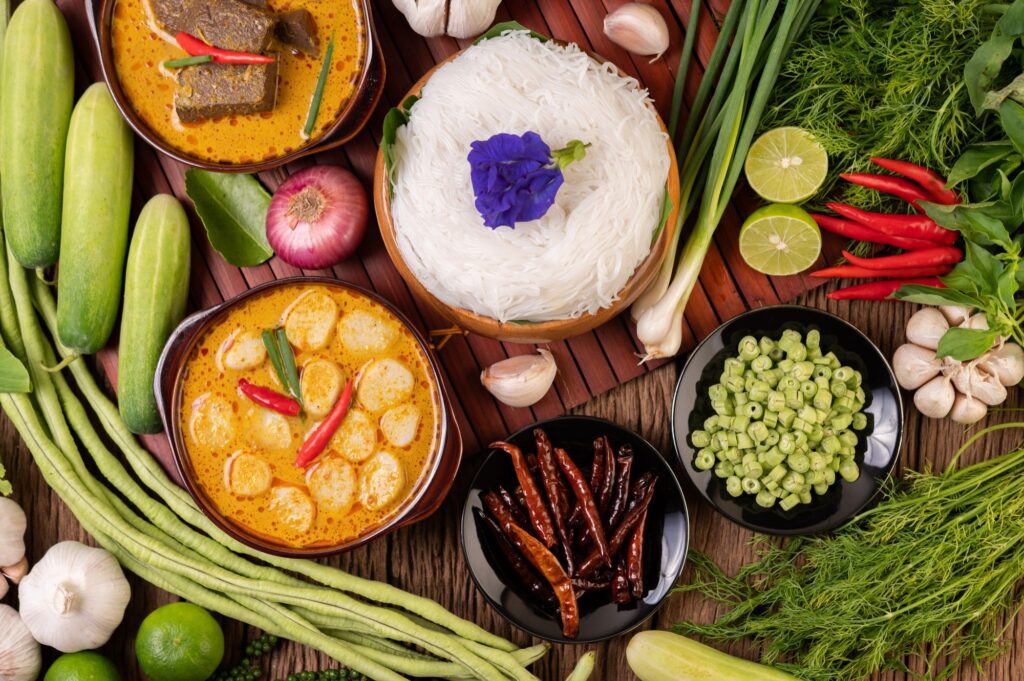
In Thailand, edible flowers are an integral part of traditional dishes. Banana blossoms, for example, are used in curries and salads for their rich, earthy flavor. Jasmine flowers are often used to scent rice and teas. The beautiful butterfly pea flower is commonly brewed into a vibrant blue tea that turns purple when mixed with lemon juice.

Indian Cuisine
In India, marigold petals are commonly used in religious ceremonies but are also added to salads for a hint of spice and color. Rosewater, made from rose petals, is a key ingredient in many Indian sweets like gulab jamun.

European Traditions
In Europe, particularly during the Middle Ages, edible flowers like lavender and violets were used in cooking, and many recipes still include these fragrant blooms. Pansies and primroses were frequently added to salads and desserts to give a dish both visual appeal and subtle flavor.

Growing Your Own Edible Flowers
Growing your own edible flowers is a rewarding experience. Not only do you get fresh, chemical-free flowers for your meals, but many varieties are also easy to grow in home gardens.
- Sunlight: Most edible flowers thrive in full sun. Make sure they get at least 6 hours of sunlight a day.
- Soil: Edible flowers generally prefer well-drained soil. Mixing in compost will provide them with essential nutrients.
- Pesticides: Avoid using chemical pesticides, as these can make your flowers unsafe for consumption. Opt for natural pest control methods instead.
Popular flowers to grow include nasturtiums, pansies, roses, and lavender. These blooms not only add color to your garden but can be picked fresh to garnish your favorite dishes.

What Edible Flowers Are the Healthiest?
Many edible flowers are rich in vitamins, antioxidants, and other nutrients. Here are some of the healthiest:
- Nasturtiums: Packed with vitamin C, these spicy flowers help boost your immune system.
- Calendula: Known for its anti-inflammatory properties, calendula petals can be sprinkled into salads or brewed into teas for their healing effects.
- Dandelions: The entire dandelion plant is edible, and its flowers are full of antioxidants that may help detoxify your liver.
These flowers aren’t just pretty—they offer real health benefits that can complement a nutritious diet.

What Flowers Are Not Edible?
Not all flowers are safe to eat. It’s essential to know which flowers should never be consumed, as some can be toxic or even deadly:
- Foxglove: Toxic and potentially fatal if ingested.
- Oleander: Highly poisonous, even a small amount can cause severe health issues.
- Hydrangeas: Beautiful but toxic, as they contain cyanogenic glycosides.

What Edible Flowers Are the Tastiest?
Some edible flowers are valued for their unique and delicious flavors:
- Squash Blossoms: Light and slightly sweet, these blossoms are perfect for stuffing or frying.
- Roses: Depending on the variety, rose petals can range from sweet to spicy. They’re often used in desserts or as a garnish.
- Violets: These sweet flowers can be added to salads, crystallized for cakes, or used as a garnish.

Edible Flowers for Cakes
Edible flowers are often used to decorate cakes and other desserts. Popular choices include:
- Roses: Their romantic appearance and light fragrance make them perfect for wedding cakes.
- Violets: These delicate flowers add a touch of sweetness and can be crystallized for a stunning visual effect.
- Marigolds: Bright and colorful, they make a bold statement on any cake.

Edible Flowers for Cocktails
Edible flowers can take cocktails to the next level by adding both beauty and flavor. Here are a few popular options:
- Hibiscus: Its tart flavor works well in rum-based or tequila drinks.
- Borage: With a slight cucumber flavor, borage flowers make an excellent addition to gin cocktails.
- Lavender: Perfect for gin or champagne-based drinks, lavender adds a subtle floral note.
The Difference Between Edible and Inedible Flowers
The difference between edible and inedible flowers lies in their chemical composition. Edible flowers are safe to consume and often offer nutritional benefits, while inedible flowers may contain toxins or compounds that can be harmful to humans. Always make sure that flowers are sourced from reputable suppliers and are labeled specifically as “edible” before using them in your food.
Where to Buy Edible Flowers
Edible flowers can be found at several places:
- Farmers’ markets: Local and organic flowers are often available.
- Online stores: Several websites specialize in edible flowers and can deliver them fresh to your door.
- Grocery stores: Some specialty grocery stores carry small packages of edible flowers.

Conclusion
The world of edible flowers offers endless possibilities for creativity in the kitchen. Whether you’re decorating cakes, enhancing cocktails, or looking to boost the nutrition in your meals, edible flowers provide beauty, flavor, and health benefits. By understanding the history, cultural significance, and safe ways to grow and use edible flowers, you can take your cooking to the next level. Explore different flowers and find new ways to incorporate them into your daily life.
Reference:
Picture
– PNGTREE
– UrbanFlowers
– MyBartenders
– Sawasdee


