
The Ultimate Guide to Orchid Meaning & Symbolism
Thailand's premier floral magazine. Expert guidance on gifting, sustainability, and botanical living.
Orchids symbolize love, beauty, strength, and luxury across cultures. Their meanings vary by color—white for purity and innocence, purple for royalty and admiration, pink for femininity and grace, yellow for friendship and new beginnings, and red for passion and desire. In Asia, orchids represent refinement, integrity, and fertility, while in the West they stand for exotic beauty and sophisticated love. Orchids are safe for cats, can live 15–100 years, bloom 1–3 times yearly for 2–3 months each cycle, and thrive with indirect light and weekly watering. Despite their diva reputation, orchids are remarkably forgiving once you understand them.

What Do Orchids Really Symbolize? The Complete Answer Universal Meanings:
- Love & Desire: Refined, patient affection rather than fiery passion.
- Strength & Resilience: Grow in extreme conditions, symbolizing perseverance.
- Beauty & Perfection: Their flawless symmetry embodies balance.
- Luxury & Refinement: The quiet elegance of high society.
- Fertility & Virility: Derived from the Greek word orkhis, meaning testicle—ancient Greeks linked orchids to fertility.
Modern Context:
- In the Digital Age: The flower of “quiet success.”
- Corporate Spaces: Represent achievement and balance.
- As Gifts: Express respect, admiration, and thoughtful love.

Orchid Color Meanings: Every Shade Decoded
| Color | Meaning | Best For |
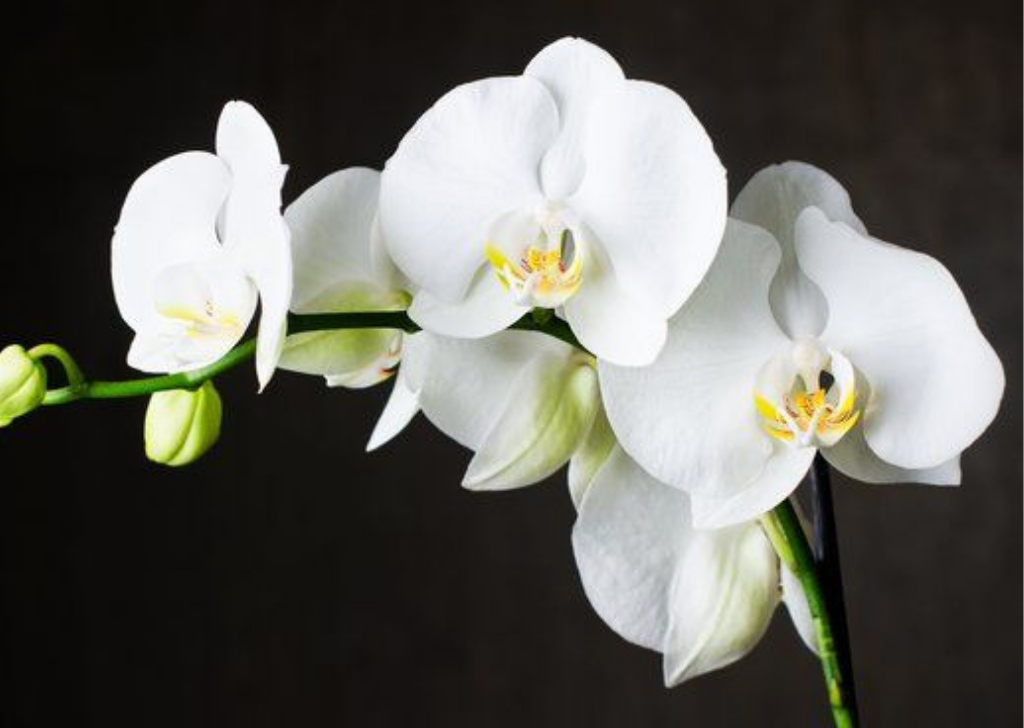
| White | Purity, innocence, new beginnings | Weddings, sympathy, apologies |
| Purple | Royalty, admiration, dignity | Teachers, bosses, mothers-in-law |
| Pink | Femininity, grace, joy | Birthdays, self-gifting, friendship |
| Yellow | Friendship, happiness, optimism | New ventures, housewarmings |
| Red | Passion, courage, romance | Anniversaries, Valentine’s Day |
| Orange | Creativity, enthusiasm, pride | Graduations, promotions |
| Blue | Rarity, mystery (but often dyed) | Collectors, statement gifts |
Quote: “Every orchid tells a love story—some patient, some fierce, all unforgettable.”
Cultural Meanings: From Ancient Greece to Modern Thailand
- Ancient Greece: Fertility and masculinity; linked to virility myths.
- China: Refinement, morality, and family harmony; one of the “Four Gentlemen.”
- Japan: Bravery and elegance; samurai carried orchids for courage.
- Thailand: National pride, abundance, and accessible luxury.
- Victorian England: Obsession and prestige during the orchid craze.
- Western Modern: Refined sophistication, long-term love, and sustainable beauty.
Orchids in Spirituality & Religion
- Buddhism: Symbol of mindfulness, non-attachment, and inner beauty.
- Christianity: Purity (white orchids), resurrection, and divine design.
- Hinduism: Fertility, prosperity, and sacred offerings.
- Feng Shui: Enhances creativity and emotional balance.
Placement Tips:
- Bedroom – fertility energy
- Living room – prosperity
- Office – focus and creativity
Orchids in Relationships: What Your Gift Really Says
- First Date: “I’m serious and intentional.”
- Anniversary: “Our love has matured with grace.”
- Apology: “I’ll do better and take my time to earn forgiveness.”
- Breakup: “I respect what we had.”
Customer Story:
A client who forgot his anniversary gifted 12 orchids in apology. His wife made him care for all of them. Both the marriage and the orchids survived.
The Cat Question: Finally, Good News Orchids are non-toxic to cats and dogs!
- Safe around pets, unlike lilies or tulips.
- However, cats may nibble leaves (mechanical irritation only).
Pro Tip: Keep orchids on elevated shelves; use citrus peels or foil barriers to deter cats.
How to Actually Keep Orchids Alive The 5 Golden Rules:
- Water Weekly, Weakly: Shower method; avoid ice cubes.
- Bright, Indirect Light: East window ideal.
- Stable Temperature: 65–75°F days, slightly cooler nights.
- Moderate Humidity: 50–70% using trays or humidifiers.
- Fertilize Monthly: ¼ strength balanced formula.
Signs of Trouble:
- Yellow leaves = overwatering.
- Wrinkled = underwatering.
- No blooms = insufficient light.
Types of Orchids: Know What You’re Buying
| Type | Nickname | Difficulty | Bloom Duration | Key Feature |
| Phalaenopsis | Moth Orchid | Easy | 2–3 months | Beginner-friendly, reblooms easily |
| Dendrobium | Overachiever | Easy–Medium | 1–3 months | Famous Thai species |
| Cattleya | Corsage Orchid | Medium | 1–2 weeks | Strong fragrance |
| Oncidium | Dancing Lady | Easy–Medium | 4–6 weeks | Many small flowers |
| Vanda | The Diva | Hard | 4–6 weeks | Bright light, tropical colors |
| Paphiopedilum | Slipper Orchid | Medium | 4–8 weeks | Pouch-like blooms |
| Cymbidium | The Cool Lover | Medium | 1–3 months | Prefers cooler nights |
The Truth About Blue Orchids Natural blue orchids are extremely rare.
Most “blue” orchids are white ones dyed artificially. Real blue species like Vanda coerulea exist but are purple-toned and costly.
How to Spot a Dyed Orchid:
- Blue veins or stained roots.
- Future blooms emerge white.
- Artificial uniform color.
Orchid Lifecycle: Blooming, Resting, and Reblooming
- Blooming Phase (2–3 months): Enjoy; minimal interference.
- Post-Bloom: Cut spike near node or base.
- Resting Phase (3–6 months): New roots/leaves form—don’t discard.
- Reblooming Trigger: Night temperature drop (10–15°F) for 2–4 weeks.
Golden Rule: Orchids aren’t dead—they’re thinking.

Common Orchid Mistakes That Kill With Kindness
- Overwatering (“Love Kills”)
- Ice cube method (root damage)
- Low light (no blooms)
- Daily misting (rot)
- Fertilizer overload (salt burn)
- Oversized pots (wet media)
- Impatience (they bloom on their schedule)
FAQ: Every Orchid Question Answered
- Lifespan: 15–100 years (with care).
- Blooming frequency: 1–3 times per year.
- Light: Bright but filtered.
- Toxicity: Safe for cats and dogs.
- Best beginner orchid: Phalaenopsis.
- Why no blooms? Needs more light and cooler nights.
- Yellow leaves? Overwatering or old age.
Alice’s Final Wisdom
What Orchids Really Teach Us Orchids are misunderstood, not difficult. They teach patience, balance, and acceptance. They bloom when they’re ready—not when we demand it. They remind us that love, beauty, and growth happen quietly, in their own time.
Quote: “Orchids are Buddhism in a pot—beauty through patience, not control.”

The Ultimate Orchid Cheat Sheet
| Category | Key Insight |
| Symbolism | Love, beauty, strength, luxury |
| Color Meanings | White: purity / Purple: admiration / Pink: joy / Yellow: friendship / Red: passion |
| Care Summary | Weekly watering, bright indirect light, monthly feeding |
| Lifespan | 15–100 years |
| Best for Beginners | Phalaenopsis |
| Common Problem Fix | Yellow leaves = overwatering |
| Success Formula | Water weekly + patience + indirect light = reblooming beauty |
Written by: Alice K., Head Florist | UrbanFlowers Bangkok
15 years, 100,000+ orchids, and still learning something new every day.


