Thailand's premier floral magazine. Expert guidance on gifting, sustainability, and botanical living.
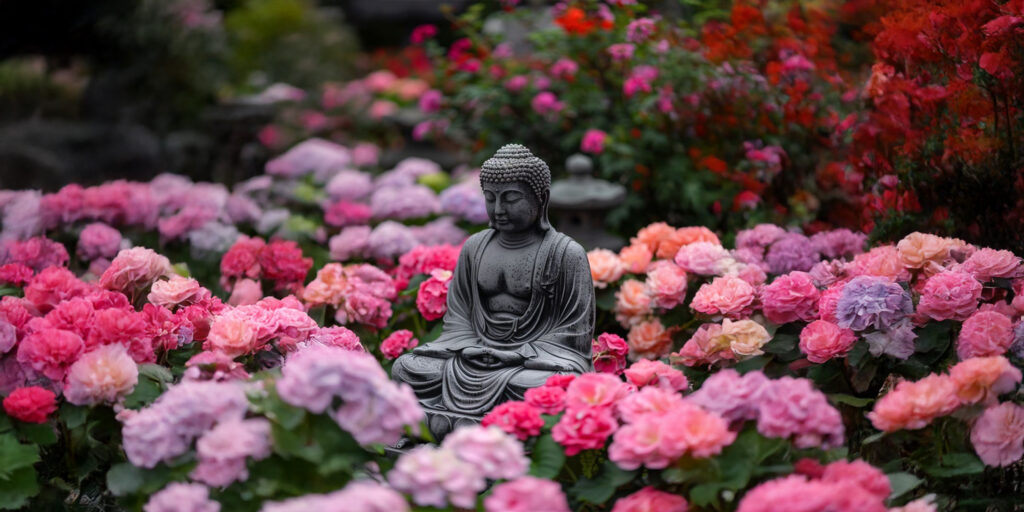
Buddhist flowers are imbued with deep spiritual meaning. Every bloom chosen for temple offerings is not merely an object of worship, but also a "Dharma teacher" ('ครูทางธรรม'), connecting the giver to Buddhist principles of mindfulness, impermanence, and compassion.
The Sacred Language of Buddhist Flowers
Why Flowers Matter in Buddhist Practice
- Impermanence Teaching: Flowers wilt, teaching impermanence.
- Merit-Making: The act of offering generates karma and spiritual merit.
- Mindfulness Practice: Selecting and offering flowers cultivates presence.
- Symbolic Connection: Each bloom mirrors aspects of Buddhist wisdom.
The Psychology of Flower Offerings
- Develops generosity and reduces attachment
- Builds community connection
- Supports meditation focus
Essential Buddhist Flowers and Their Meanings
Lotus (Nelumbo nucifera): The Supreme Symbol
- Enlightenment: Rising from mud pure and unstained
- Purity and Rebirth: Transformation from ignorance to wisdom
Color Meanings:
- White – mental purity
- Pink – represents the Buddha
- Blue – victory of spirit
- Red – compassion
- Purple – mysticism
Use: Vesak Day, meditation retreats, merit-making

Chrysanthemum: The Teacher of Impermanence
Symbolism: Acceptance, dignity, longevity, truth
Thai Context: White chrysanthemums for ancestor ceremonies
Teaching: Demonstrates non-attachment as they wilt
Occasions: Memorials, meditation, life transitions

Jasmine (Jasminum): The Fragrance of Compassion
Meaning: Compassion, purity, mindfulness, motherly love
Thai Use: Jasmine garlands for merit-making and Mother’s Day
Spiritual Practice: Encourages mindfulness through scent
Symbolic Form: Circular garlands represent the cycle of rebirth

Marigold (Tagetes): The Golden Light of Wisdom
Meaning: Wisdom, clarity, prosperity, joy
Buddhist Festivals: Used in Kathina and Loy Krathong ceremonies
Lesson: Teaches balance — the middle path between extremes


Orchid: The Elegant Path to Tranquility
Meaning: Refinement, balance, and inner beauty
Color Guide:
- White – purity
- Yellow – wisdom
- Pink – compassion
- Purple – nobility
Lesson: Beauty without attachment

Rose: Universal Love in Buddhist Context
Meaning: Unconditional love, emotional generosity, mindfulness
Colors:
- White – purity
- Red – devotion
- Pink – compassion
- Yellow – joy
Cross-Cultural Use: Common among Western Buddhists in Bangkok

Frangipani (Plumeria): Shelter and Protection
Meaning: Spiritual protection, immortality, new beginnings
Thai Context: Common temple flower symbolizing peace and divine presence

Cultural Context: Buddhist Flowers in Thailand
Thai Flower Traditions
Phuang Malai (Garlands): Represent merit, mindfulness, and connection
Garland Symbolism: Circular = rebirth; Fragrance = merit spreading

Regional Preferences
- Central Thailand: Lotus, jasmine, marigold
- North: Orchids, chrysanthemums
- South: Hibiscus, coconut blossom
Monastery Types:
Royal temples – formal flowers
Forest monasteries – simple, natural offerings
How to Choose Temple Offerings
Intention-Based Selection
- Merit-Making: Lotus, marigold, jasmine
- Meditation: Jasmine, lotus
- Family harmony: Rose, orchid
- Business success: Marigold
Practical Choosing Guidelines: Choose fresh, firm petals and clean stems
Quantity:
- Daily – 3 to 5 blooms
- Ceremonies – 1–2 garlands
- Memorials – white focus
Teaching: Intention matters more than price
Seasonal Buddhist Flower Guide
Rainy Season (July–October): Reflection
Lotus, jasmine, orchids — supports meditation and ancestor merit.
Cool Season (Nov–Feb): Celebration
Marigolds, chrysanthemums, roses — for holidays and weddings.
Hot Season (Mar–Jun): Simplicity
Frangipani and hardy jasmine — endurance through heat.
Regional Variations and Traditions
Thailand: Garland artistry and daily offerings
Myanmar: Lotus and monastery garden traditions
Cambodia & Laos: Integration with local folklore
Japan & China: Zen-inspired minimalism
Western Buddhist Communities: Adaptation using local flowers

Proper Temple Offering Etiquette
Preparation
- Clean hands, clear intention, modest clothing
- Remove wilted petals and damaged stems
Offering Steps
- Approach altar respectfully
- Place flowers gently
- Offer with prayer or silence
- Leave mindfully
Common Mistakes
- Using artificial flowers
- Rushing offerings
- Being unaware of local customs
Modern Buddhist Flower Practices
Urban Buddhism
- Apartment altars and daily small offerings
- Digital communities and online merit-making
Sustainability
- Use local, seasonal, and organic flowers
- Compost wilted offerings
Frequently Asked Questions
What flowers are best for beginners?
White lotus or jasmine — universally accepted and meaningful.
Can I bring garden flowers?
Yes — homegrown blooms carry deep personal merit.
Are artificial flowers okay?
Not ideal, but acceptable with pure intention.
How long should I leave flowers?
Until they wilt naturally; then compost respectfully.

What flowers fit each Buddhist holiday?
- Vesak Day – Lotus
- Magha Puja – Garlands
- Kathina – Marigolds
- Asalha Puja – Jasmine
Can children participate?
Absolutely — offering teaches impermanence and generosity.
Key Takeaways: Mastering Buddhist Flower Offerings
Lotus: Enlightenment & purity
Chrysanthemum: Impermanence & truth
Jasmine: Compassion & mindfulness
Marigold: Wisdom & merit
Orchid: Tranquility & balance
Rose: Love & devotion
Frangipani: Protection & new beginnings
Practical Tips:
- Focus on intention, not luxury
- Choose fresh, seasonal flowers
- Respect temple customs
- Let offerings teach impermanence
Alice’s Final Reflection
After fifteen years preparing temple offerings in Bangkok, I’ve learned that every flower teaches dharma — from the lotus’ rise through mud to the jasmine’s gentle scent of compassion. When you bring flowers to the temple, you’re not just offering beauty; you’re participating in an ancient act of mindfulness and generosity.
Written by: Alice K., Head Florist – UrbanFlowers Bangkok
15 years of preparing sacred blooms for Buddhist practice.


